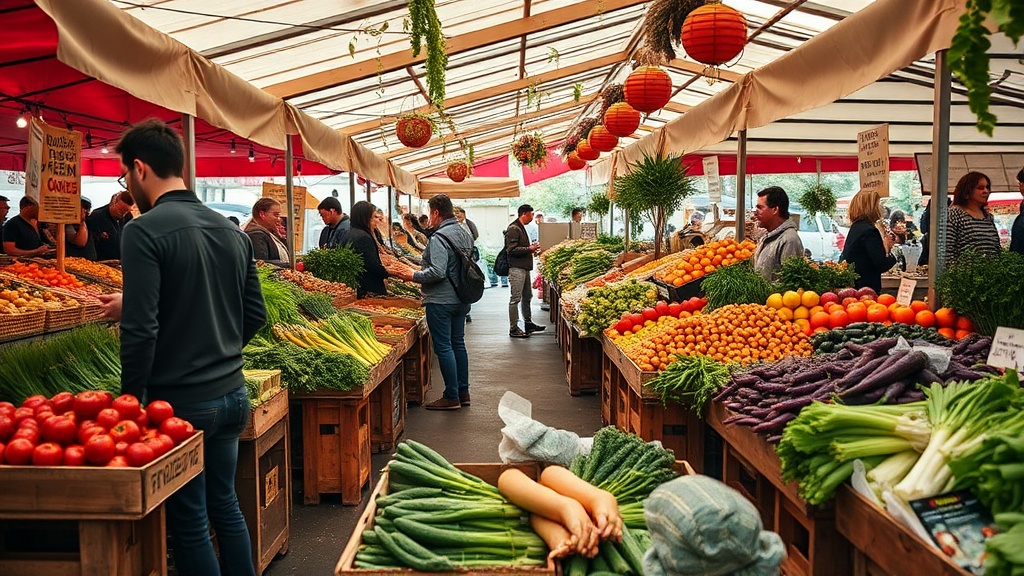
Finding the Best Seasonal Farmers Markets in Toronto

The scent of ripe peaches hits you before you even reach the stall, followed closely by the earthy aroma of freshly pulled carrots and damp basil. This is the reality of a Toronto summer morning—the sun warming the pavement, the chatter of neighbors, and the vibrant colors of seasonal produce. Finding the best seasonal farmers markets in Toronto means more than just buying groceries; it's about connecting with Ontario growers and getting the highest quality food possible. This guide breaks down where to go, what to look for, and how to shop like a local expert.
Toronto is a massive city, but its food-growing connections are surprisingly intimate. Depending on whether you live in the Annex, the Beaches, or the West End, your market experience will change drastically. You aren't just looking for a place to buy tomatoes; you're looking for the right time of year to find specific heirloom varieties.
Where are the best farmers markets in Toronto?
The best farmers markets in Toronto are located in high-traffic urban hubs like St. Lawrence Market, Evergreen Brick Works, and various neighborhood hubs throughout the city. While many people think of the big markets, the smaller, seasonal ones often offer the freshest produce directly from the farm.
If you want the full experience, you have to pick your "vibe" first. Some markets are better for a quick Saturday morning grocery run, while others are more of a weekend social event.
- St. Lawrence Market: This is the heavy hitter. It’s a historic landmark and offers everything from artisan cheeses to fresh seafood. It's a bit more touristy, but the quality is undeniable.
- Evergreen Brick Works: Located near the Don Valley, this is arguably the most beautiful market. It's perfect for a weekend outing if you want to pair your shopping with a hike.
- Wychwood Barns: A community staple in Midtown. It has a wonderful, local feel and often hosts community events alongside the market.
- The Beach Market: If you're near the lake, this is a fantastic spot for high-quality baked goods and local honey.
If you’re a coffee lover, you might find yourself wandering these areas with a latte in hand. If you want to pair your market visit with a caffeine hit, check out my notes on finding the best coffee spots in the Junction to see how a great morning out should look.
It’s worth noting that many of these markets are highly seasonal. You won't find fresh strawberries in a Toronto market in January—you'll be looking at root vegetables and preserves then.
What is the best time of year to visit Toronto markets?
The best time to visit is between June and October, which aligns with the peak growing season for Ontario's diverse agricultural-regions.
In the spring (May/June), you'll see more greens, ramps, and radishes. Summer (July/August) is the golden era of stone fruits, berries, and heirloom tomatoes. Fall (September/October) brings the heavy hitters: pumpkins, squash, apples, and hearty greens. If you try to go in February looking for a fresh peach, you're going to be disappointed.
I always tell people to watch the weather. A rainy Saturday might mean a smaller selection or even a cancellation. Check the City of Toronto's official site for any seasonal updates or changes to market locations.
Here is a quick breakdown of what to expect by season:
| Season | Primary Produce | Best For |
|---|---|---|
| Spring | Asparagus, Radishes, Spring Greens | Light, fresh flavors |
| Summer | Berries, Peaches, Tomatoes, Corn | The peak of flavor |
| Autumn | Apples, Squash, Root Vegetables | Hearty cooking/baking |
| Winter | Preserves, Dried Goods, Honey | Gifts and pantry staples |
How much does fresh produce cost at a farmers market?
Prices at farmers markets are typically higher than at big-box grocery stores because you are paying for small-batch production and local transport. You should expect to pay a premium for the quality and the lack of long-distance shipping.
It's not uncommon to see a pint of blueberries for $6 or $7. While that might seem steep compared to a discount grocer, the flavor difference is night and day. You're paying for produce that was likely picked yesterday, not a week ago in another country. It’s a different way of thinking about value. You aren't just paying for the fruit; you're paying for the farmer's labor and the sustainability of the Ontario food system.
One tip: look for the "ugly" produce. Sometimes the slightly bruised or odd-shaped fruit is much cheaper and tastes exactly the same. It's a great way to save a few dollars while reducing waste.
Pro Tips for Market Success
I've been to enough of these to know the unwritten rules. If you want to be the person everyone wants to shop with, follow these steps:
- Bring your own bags: Most vendors are happy to help, but bringing your own reusable canvas or mesh bags is standard practice.
- Bring cash: While many vendors now take Interac/Debit or credit, some smaller stalls might still be cash-only. It's safer to have a twenty-dollar bill in your pocket.
- Go early: The best stuff (especially the sourdough or the specific berry varieties) goes fast. If you show up at 11:00 AM, you might find empty crates.
- Ask questions: Don't be shy. Ask the grower how to cook that specific squash or how long the peaches will stay ripe. They love talking about their work.
A lot of people forget that these markets are also social hubs. It’s a chance to actually talk to the person who grew your food. It’s a far cry from the sterile, automated experience of a supermarket. It’s human. (And honestly, it's much more interesting.)
If you find yourself at a market and see a vendor selling incredible local honey, buy it. Even if you don't need it right now, that stuff is liquid gold. The same goes for fresh-pressed apple cider in the fall. You'll thank me later when you're making a breakfast bowl or a cocktail.
One thing to keep in mind is that your shopping list should be flexible. If you go in with a strict list of "I need exactly three cucumbers," you might miss out on the best thing of the day. If the vendor says the kale is particularly good this week, buy the kale. The best way to shop a market is to let the season dictate your menu, rather than the other way around.
The quality of the soil and the weather in Ontario is what makes this possible. We are lucky to have such a rich agricultural history, and supporting it is as simple as showing up on a Saturday morning with a reusable bag and a sense of curiosity.
Steps
- 1
Check the Seasonal Calendar
- 2
Identify Your Preferred Neighborhood
- 3
Bring Reusable Bags and Cash
- 4
Arrive Early for the Best Selection