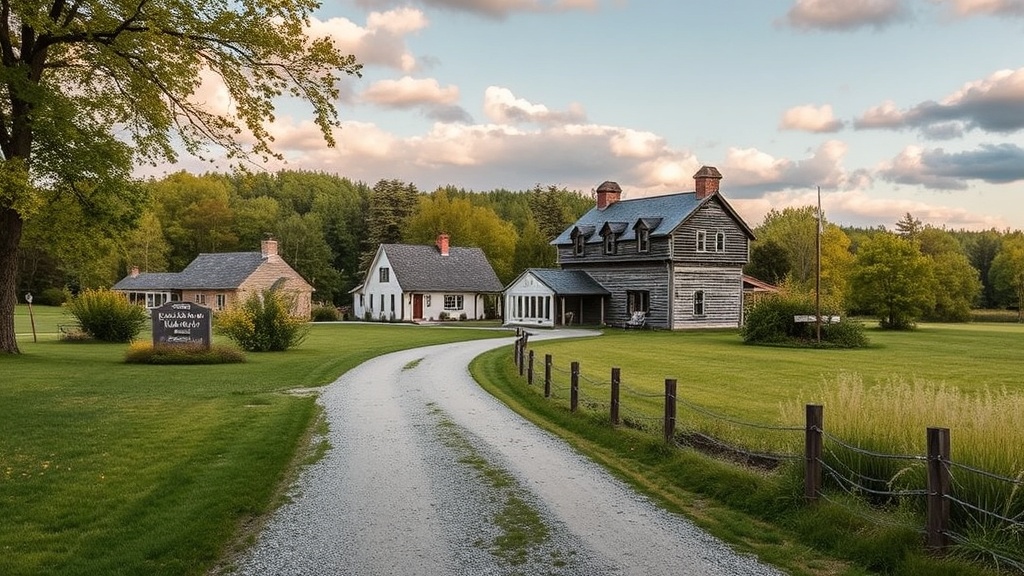
How to Plan the Perfect Country Day Trip to Osgoode, Ontario

This guide covers everything you need for a well-planned country day trip to Osgoode, Ontario—from morning coffee stops and heritage walking tours to where you'll find the best butter tarts in the region. Whether you're an Ottawa local seeking a quick escape from city congestion or a visitor exploring the Ottawa Valley region, Osgoode delivers small-town charm without the tourist-trap pricing or crowds.
What Is There to Do in Osgoode, Ontario?
You'll find a mix of outdoor recreation, local history, and farm-to-table food experiences within a compact village setting. Osgoode sits roughly 30 minutes south of downtown Ottawa, making it an accessible destination that still feels like you've stepped into rural Ontario.
Start your morning at the Osgoode Community Centre farmers' market if you're visiting on a Saturday between May and October. Local vendors sell seasonal produce, fresh-baked goods, and artisan crafts. Arrive before 10 a.m.—the best sourdough loaves from Little Stream Bakery tend to sell out fast. (If you're not an early riser, don't worry. The market runs until 1 p.m., though selection thins out.)
The Osgoode Village Museum occupies a restored 1850s schoolhouse on Church Street. Admission is by donation, and you'll get a genuine look at agricultural life in the Ottawa Valley before subdivision development changed the landscape. Exhibits rotate seasonally, but the permanent collection of farm implements and household items from the 19th and early 20th centuries provides context for the area's development.
For outdoor activity, the Osgoode Pathway Network offers over 15 kilometres of multi-use trails. The main corridor runs parallel to the historic Rideau Canal corridor (though not directly connected to the waterway itself), linking the village core to surrounding rural roads. Bring sturdy walking shoes—the trails are well-maintained gravel in most sections, but some stretches can get muddy after rain.
Where Should You Eat During a Day Trip to Osgoode?
Osgoode has limited but solid dining options, with most establishments clustered along Main Street and Bank Street as it passes through the village core.
Quartermaster Coffee Roasters operates out of a renovated heritage building and serves some of the better espresso in Ottawa's rural south. The owners roast their own beans—try the Osgoode Morning blend, a medium roast with chocolate and caramel notes that pairs well with their house-made cinnamon buns. Seating is limited to about a dozen spots, so take your coffee to go if the place is packed.
For lunch, you've got two main contenders worth comparing:
| Restaurant | Style | Best For | Price Range |
|---|---|---|---|
| The Stoneface Dolly's | Upscale casual, local ingredients | Sit-down lunch, date day | $18-28 per entrée |
| Osgoode Foodland Deli | Takeout sandwiches, picnic supplies | Quick bite, trail lunch | $8-14 per sandwich |
Stoneface Dolly's (yes, the name is odd—it's a reference to a folk song) sources ingredients from farms within 50 kilometres whenever possible. The mushroom soup made with locally foraged fungi is a standout during autumn visits. Here's the thing: they don't take reservations for lunch, and the dining room fills quickly on weekends. Arrive before noon or after 1:30 p.m. to avoid waiting.
Osgoode Foodland, despite being a grocery store, operates a proper deli counter with made-to-order sandwiches. The roasted beef on a kaiser with house-made horseradish mayo is substantial enough to fuel an afternoon of trail walking. Grab a sandwich, some Kettle Brand potato chips, and a bottle of Waterloose sparkling water for an impromptu picnic at one of the benches along the Osgoode Trail.
Dessert and Specialty Food Stops
No country day trip is complete without baked goods. The Red Rooster Bakery—located in a converted barn just west of the village proper—produces butter tarts that inspire loyalty from Ottawa residents willing to drive 40 minutes specifically for them. The pastry is flaky without being greasy, and the filling strikes a balance between runny and set that divides opinion in the best possible way. (Some purists prefer the raisins; others insist on pecan. Both versions are available.)
During summer months, Rideau Pines Farm operates a roadside stand on Fourth Line Road selling seasonal berries—strawberries in June, raspberries through July, and blueberries into August. The farm uses integrated pest management rather than heavy spraying, which matters if you're particular about produce handling. Call ahead or check their Facebook page before driving out—u-pick availability varies based on ripening schedules and customer traffic.
How Do You Get to Osgoode and When Should You Visit?
Osgoode is accessible by car via Bank Street (Highway 31), which runs directly through the village. From downtown Ottawa, expect a 25-35 minute drive depending on traffic. Public transit is technically possible—OC Transpo Route 74 serves the village—but service is limited to hourly on weekdays and nonexistent on Sundays. For a day trip, driving is your practical option.
Parking is straightforward and free. The village maintains a public lot behind the community centre on Church Street, and on-street parking along Main Street has no time restrictions. That said, avoid parking in the Foodland lot if you're not shopping there—the manager will have your vehicle towed without hesitation.
The catch? Osgoode's appeal shifts dramatically by season. Here's what to expect:
- Spring (April-May): Mud season. Trails can be soggy, and some farm stands haven't opened yet. The upside—no crowds, and early wildflowers along the pathways.
- Summer (June-August): Peak season for farm stands and outdoor activity. Saturdays get busy with the farmers' market and cottagers passing through. Morning visits beat the heat and the traffic.
- Autumn (September-October): Arguably the best time to visit. Harvest season means maximum selection at farm stands, fall colours in the woodlots, and comfortable temperatures for walking. The Red Rooster Bakery usually runs pumpkin pie pre-orders that sell out.
- Winter (November-March): Quiet—some would say too quiet. Several businesses reduce hours or close for the season. The trails remain accessible for snowshoeing if there's adequate snow cover, and the coffee shop stays open.
What Should You Pack for a Day Trip to Osgoode?
Pack for variable weather and limited services. Osgoode is rural—you won't find an ATM on every corner (though there is a CIBC branch on Main Street), and cell service can be spotty in outlying areas.
Worth noting: bring cash. While most establishments accept cards, some farm stands and the museum donation box operate cash-only. Twenty dollars in small bills covers most incidental purchases.
Here's a practical packing list:
- Comfortable walking shoes with decent tread—the trails are gravel, not paved
- Reusable shopping bags for farm stand purchases
- Water bottle (quartermaster will refill it)
- Sunscreen and bug spray, especially May through August
- Light rain jacket—Ontario weather shifts quickly
- Cash for tips, donations, and small purchases
If you're planning to photograph the heritage buildings or trail scenery, morning light hits the village core best between 8 and 10 a.m. The museum's limestone exterior photographs particularly well during golden hour.
Can You Make Osgoode Part of a Longer Route?
Absolutely—and you probably should. Osgoode works well as a single destination, but it shines as part of a broader exploration of Ottawa's rural south.
One solid loop: Start in Osgoode for morning coffee and the museum, drive south to Kemptville for lunch at the Old Tin Shed (antique browsing optional), then loop back to Ottawa via North Gower and Richmond. The total driving time stays under two hours, and you'll sample three distinct village atmospheres.
Alternatively, combine Osgoode with a visit to the Rideau River Provincial Park for paddling access, or extend east toward Merrickville-Wolford if you want more concentrated heritage architecture and boutique shopping. The catch? Merrickville is substantially more tourist-oriented—prices reflect that, and parking can be challenging on summer weekends.
"Osgoode hasn't figured out it's supposed to be charming yet. That's exactly why it works." — Local resident, overheard at the farmers' market
The village maintains an authenticity that more developed tourist destinations have lost. You won't find twee souvenir shops selling maple-leaf keychains made overseas. What you will find is a functioning rural community that happens to welcome visitors—provided those visitors respect the pace and character of the place.
Arrive with realistic expectations. This isn't Niagara-on-the-Lake with its manicured gardens and winery tours. It's a working village where people live, farm, and commute to Ottawa jobs. The coffee is excellent, the butter tarts are worth the drive, and the trails offer peace without requiring wilderness survival skills. For a country day trip that delivers genuine rural Ontario character without the performance of tourism, Osgoode makes a solid choice.
Steps
- 1
Research seasonal attractions and farmers' market schedules before your visit
- 2
Map your route to include scenic backroads and local farm stops
- 3
Pack essentials for a day of outdoor exploration and country dining