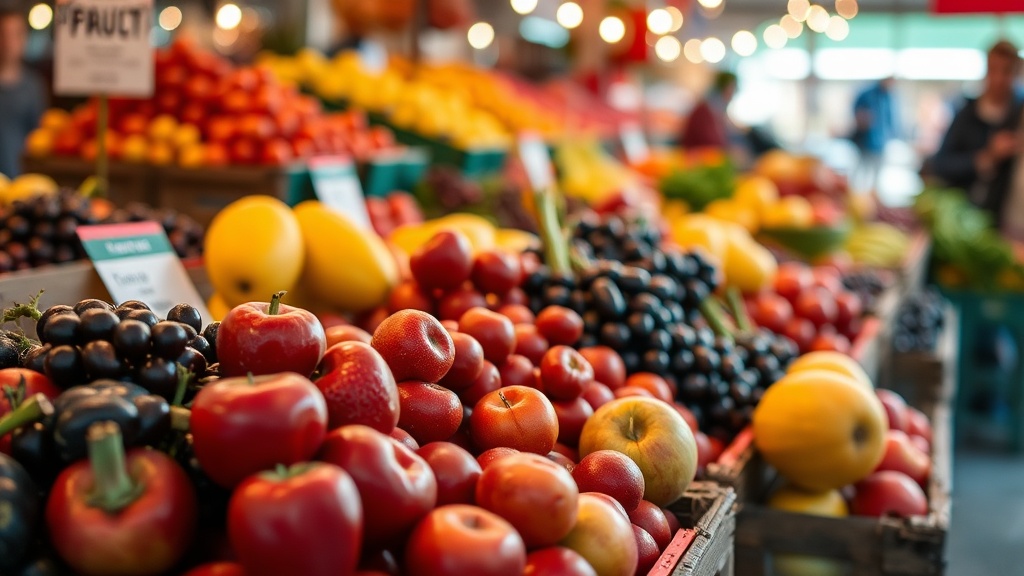
Picking the Best Seasonal Fruit at Ontario Farmers Markets

Did you know that roughly 80% of the fruit you find in a standard grocery store is often picked before it's even ripe to survive a long-distance shipping process? This means by the time it hits your kitchen counter in Ontario, it's lost a significant amount of its nutritional density and flavor profile. This guide breaks down how to identify peak ripeness for seasonal Ontario produce, what to look for in specific fruit varieties, and how to shop the farmers' market circuit effectively.
Eating seasonally isn't just a trend; it's a way to ensure you're getting the most value from your money. When you shop at a local market in the GTA or rural Ontario, you're buying produce that was likely harvested within the last 24 to 48 hours. That makes a massive difference in taste.
How Can You Tell if Fruit is Ripe?
The best way to tell if fruit is ripe is to use a combination of your senses: sight, smell, and touch (but don't squeeze too hard!). Each type of fruit has a specific "tell" that signals it's ready for your kitchen.
Berries, for instance, are notoriously fickle. If you're looking at strawberries from a farm near Milton, you want them to be deep red all the way to the stem. If there's any white or pale pink near the top, they'll be tart and underwhelming. Blueberries should have a dusty, matte appearance—that's the natural "bloom" that protects them—and they should feel firm, not mushy.
Stone fruits like peaches and plums are different. You can't rely on color alone because many varieties stay a certain shade even when they're still hard. Instead, look for a slight softness when you apply very gentle pressure. A peach that feels like a rock isn't ready, but one that yields slightly to a gentle touch is perfect. If it smells like a dream, it's ready.
Melons are the heavy hitters of the summer. For a cantaloupe, look for a dull rind rather than a shiny one. A shiny melon often means it hasn't developed its full sweetness yet. Also, check the "slip" at the stem end; if it's slightly recessed, you're in business.
Quick Reference: The Sensory Checklist
| Fruit Type | Visual Cue | Texture/Smell Cue |
|---|---|---|
| Strawberries | Solid red throughout | Firm, no juice leaking |
| Peaches | Deep hues, no green | Slight give, fragrant |
| Blueberries | Matte finish (bloom) | Plump and bouncy |
| Watermelon | Dull rind, creamy spot | Heavy for its size |
What Fruits are in Season in Ontario?
Ontario's growing season is relatively short, which means the window for certain fruits is quite narrow. You need to time your market visits to match the local harvest cycles to get the best results.
Early summer (June and July) is the time for berries. You'll see strawberries, raspberries, and blueberries hitting the stands at markets like the St. Lawrence North Market or smaller local community markets. These are high-moisture fruits that don't stay fresh long once picked.
Mid-to-late summer (July and August) is the "Golden Era" of Ontario fruit. This is when the stone fruits arrive. Cherries, nectarines, peaches, and plums dominate the stalls. This is also when melons and even early varieties of grapes become available. If you're looking for something to use in a summer salad, this is your peak window.
Early autumn (September and October) brings the heavy hitters like apples and pears. While we often think of apples as a year-round staple, the varieties grown in the Niagara fruit region during the fall are vastly superior to the ones sitting in a warehouse. Look for apples with heavy weight and crisp skin.
Seasonal Timeline Overview
- June: Strawberries, Rhubarb (technically a vegetable, but treat it like fruit!), and early Raspberries.
- July: Blueberries, Cherries, and early Peaches.
- August: Peaches, Nectarines, Plums, and Melons.
- September: Apples, Pears, and Grapes.
Is it Worth Paying More for Local Fruit?
Yes, it is worth it because the nutritional profile and flavor density of local produce far outweigh the cost-per-pound advantage of cheap, imported fruit. While a bag of apples from a discount grocer might be cheaper, the flavor is often muted because they've been kept in cold storage for months.
When you buy from a local farmer, you're paying for the actual harvest. There's no massive carbon footprint from shipping fruit across the ocean—which, frankly, is better for the planet—and you're getting a product that hasn't been treated with as many preservatives to prevent rot during transit. It's a different level of quality.
Think about the difference in a peach. A store-bought peach might be a bit mealy or "cardboard-y" in the center. A peach from an Ontario farm, picked at the height of summer, will be juicy, aromatic, and actually taste like a peach. That's the real value. It's also a great way to support the local economy—every dollar stays much closer to home.
One thing to keep in mind—and this is a big one—is that seasonal fruit is highly perishable. You can't buy a flat of strawberries and expect them to last two weeks in your fridge. You'll need to plan your meals around your market haul. If you buy a lot of berries, plan to eat them or freeze them within a few days.
If you're looking for ways to enjoy your produce in different settings, you might enjoy finding the best picnic spots to enjoy your fresh fruit haul once the weather is nice.
When you're at the market, don't be afraid to ask the farmers questions. They are usually incredibly knowledgeable and happy to talk about their crops. Ask them: "How long ago was this picked?" or "Is this variety particularly sweet or more tart?" Most farmers would much rather answer a question than have you pick a sub-par piece of fruit and walk away unhappy.
A quick tip for the road: always bring your own reusable containers or a sturdy basket. There's nothing worse than getting home and finding your raspberries have been crushed in a flimsy plastic bag. A rigid container keeps the fruit intact and makes the whole experience much smoother.
Don't forget to check the weather before you head out. Many of our local markets are outdoor-only, and if it's a heavy rain day, vendors might have less stock or might even be packing up early. A little bit of planning goes a long way in ensuring you get the pick of the litter.
Steps
- 1
Check the Seasonal Calendar
- 2
Use Your Senses
- 3
Ask the Farmer
- 4
Inspect for Weight and Texture