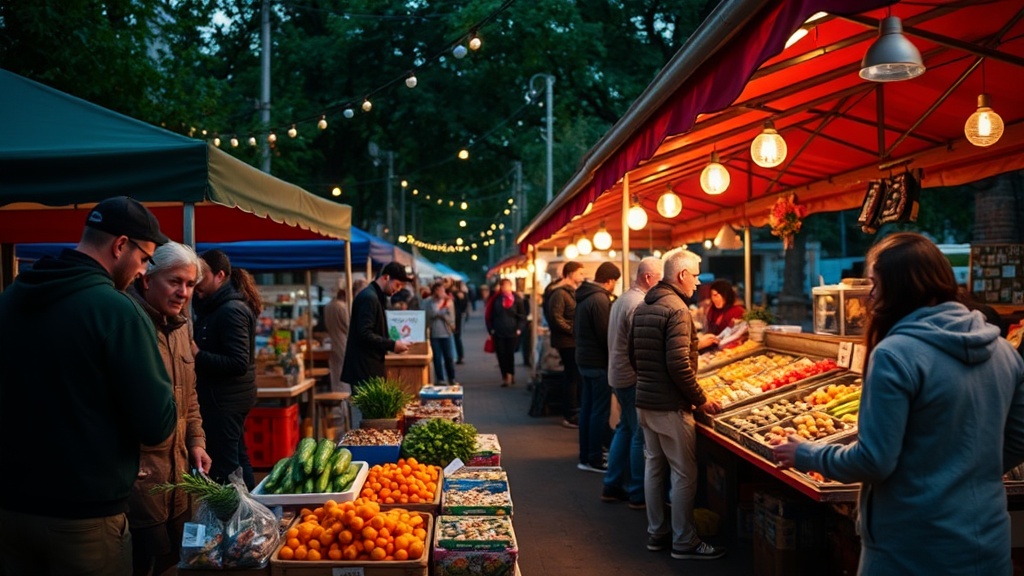
Navigating the Best Outdoor Food Markets in Toronto

Are you trying to figure out which Toronto food market offers the freshest local produce or the best artisanal snacks for your weekend brunch? This guide breaks down the top outdoor food markets across the GTA, detailing what to buy, when to go, and how to avoid the biggest crowds. We'll look at everything from the heavy hitters in the city core to the smaller, community-focused spots in the outskirts.
Toronto's food scene changes wildly with the seasons. One week you're hunting for heirloom tomatoes, and the next, you're looking for maple syrup and fresh-cut cedar. Knowing the difference between a general farmers' market and a specialized food market is the key to not wasting your Saturday morning.
Where are the best outdoor food markets in Toronto?
The best outdoor food markets in Toronto include the iconic St. Lawrence Market, the bustling Evergreen Brick Works, and the diverse way-stations found in the Danforth and Junction neighborhoods.
If you want the classic experience, start with the St. Lawrence Farmers' Market. It's a staple for a reason. You can find high-quality meats, local cheeses, and even fresh seafood that hasn't been sitting in a warehouse for days. It's a bit more structured than your average neighborhood market, but the quality is consistent.
For a more scenic, outdoor vibe, head to the Evergreen Brick Works. It’s tucked away in the Don Valley, and the atmosphere there is completely different from the downtown core. It feels more like a community event than a chore. You'll find plenty of organic produce, local honey, and small-batch baked goods. It’s a great spot if you want to pair your grocery run with a bit of a hike or a walk through the ravine.
If you're looking for something more niche, the Granville Street area (though technically a bit further out) or the local markets in the West End offer incredible finds. If you've already been exploring the best vintage and thrift shops in West End Toronto, you'll find that the local food markets in that area—like the one near the Junction—share that same gritty, authentic energy. These spots are perfect for finding unique spices or sourdough loaves that you just can't get at a big-box grocer.
Top Market Recommendations
| Market Name | Best For... | Vibe |
|---|---|---|
| St. Lawrence Market | Premium Meats & Seafood | Traditional & Bustling |
| Evergreen Brick Works | Organic Produce & Nature | Trendy & Scenic |
| Wychwood Barns | Artisanal Goods & Community | Local & Family-friendly |
| The Danforth Market | International Flavors | Diverse & Energetic |
How much cash should I bring to a Toronto food market?
Most Toronto food markets are increasingly card-friendly, but you should always carry at least $40 to $60 in cash for small vendors and specialized artisanal stalls.
While many vendors now use Square or Clover to accept credit cards and tap-to-pay, some of the smaller, more traditional farmers rely heavily on cash. I've seen people get stuck at a stall because they wanted a single bunch of radishes or a small jar of jam and didn't have the right change. It's worth noting that even if a vendor says they take cards, the connection might be spotty in a crowded park or a remote area of the Don Valley. Don't rely solely on your phone for payment—sometimes the technology just fails.
The cost of items at these markets is often higher than at a standard grocery store. You're paying for the quality and the direct support of the farmer. An organic pint of berries might be a dollar or two more expensive than the non-organic version at a supermarket, but the flavor profile is worlds apart. It's a trade-off for quality.
When is the best time to visit a farmers' market in Ontario?
The best time to visit is early in the morning, specifically between 8:00 AM and 10:00 AM, to secure the best selection before items sell out.
If you show up at 1:00 PM on a Sunday, you're likely going to find a lot of empty stalls and "sold out" signs. The best produce—the stuff that actually looks appetizing—is usually gone by midday. If you're looking for specific items like certain types of mushrooms or specialty cheeses, get there early. It’s a bit of a trade-off: you get the best selection, but you'll be navigating the crowds during the peak morning rush.
Seasonality is everything in Ontario. For example, if you're looking for stone fruits like peaches or plums, you'll be looking at a much narrower window than if you're searching for hardy root vegetables. You should check the Ontario Ministry of Agriculture, Food and Rural Affairs website or similar agricultural resources to understand the growing seasons in the province. This will help you plan your visits around what is actually in season. If you try to find fresh strawberries in October, you're going to be disappointed.
- Spring: Focus on greens, asparagus, and early radishes.
- Summer: This is the peak. Berries, tomatoes, corn, and stone fruits are everywhere.
- Autumn: Squash, apples, pumpkins, and hearty root vegetables take center stage.
- Winter: Most outdoor markets pause or move indoors; look for preserved goods and fermented items.
It's also helpful to keep an eye on the weather. A sudden Toronto rainstorm can turn a lovely outdoor market into a muddy, soggy mess very quickly. If the forecast looks dicey, it might be better to wait for a clearer day. Most of these markets are strictly outdoor affairs, and there isn't much shelter once you're in the thick of it.
One thing I've learned is that the "vibe" of the market changes based on the time of year. In the summer, it's a social event with music and crowds. In the late fall, it's more of a quick, functional errand. Adjust your expectations accordingly.
Pro-Tips for a Better Experience
To make the most of your trip, keep these three things in mind:
- Bring Reusable Bags: Many vendors are moving away from single-use plastics, and having your own sturdy tote or canvas bag makes the process much smoother.
- Check the Weather: A light waterproof jacket is a lifesaver if you're hitting the markets in the spring or fall.
- Bring Small Bills: Even if you're a card person, having a few five-dollar bills can save you during a transaction if the Wi-Fi is acting up.
If you want to dive deeper into the local food scene, you might find finding the best seasonal farmers markets in Toronto to be a useful companion to this guide. It covers the more granular details of specific locations and seasonal shifts.
The quality of the food is the real draw. There is a certain satisfaction in buying a loaf of bread that was baked just a few hours ago, or a jar of honey from a hive just a few kilometers away. It connects you to the land in a way that a supermarket shelf never can. It's not just about the food; it's about the community and the people who grow it. Whether you're a seasoned foodie or just someone looking for a better way to shop, these markets are worth the trip.
Steps
- 1
Check Seasonal Calendars
- 2
Arrive Early for Best Selection
- 3
Bring Reusable Bags and Cash
- 4
Taste and Sample Local Goods